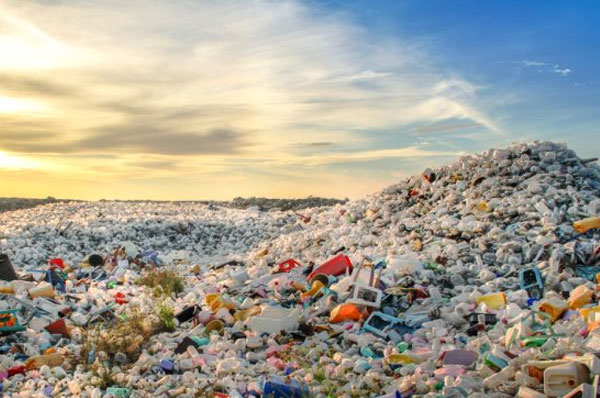
A chip packet, a soft drink bottle, old clothes, an apple core, a torn paper bag, and old batteries, among many other items, are tossed into our garbage bins almost every day without a second thought. Apart from these, there’s the construction debris of bricks, cement, concrete blocks and iron rods that add to the pile as more apartments and commercial spaces are built, thanks to the rising population and rapid urbanisation. But have we ever wondered where it all ends up? The answer is mostly in landfills, which are growing in size each year.
In a conversation with The Economic Times, Ishita Bansal, COO & Co-Founder of Plannex Recycling, shares how it’s rooted in our everyday lives, why it’s becoming a real business opportunity, and what’s changing in the industry.
Financial Express
After hours with Yashraj Bhardwaj,Co-founder & CSO, Plannex Recycling and Petonic AI
Weekends are often catch-up time. I’m not very active on WhatsApp during the week, so Sunday mornings are usually me clearing the backlog,” Bhardwaj said.
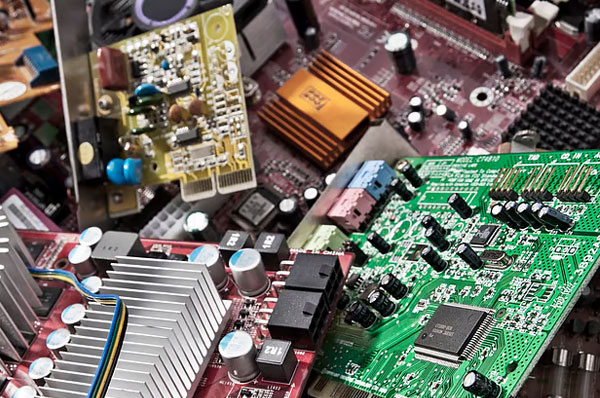
The Global E-Waste Monitor 2024 estimates that 62 million tonnes of e-waste were generated worldwide in 2022. This figure is expected to rise to 82 million tonnes by 2030.
The last year has been a year of metals, with the entire world scrambling to get ahead in the race for precious metals.
As populations grow and cities expand, so does the volume of waste we generate collectively. With climate change and extreme weather events becoming alarmingly common, waste generation, which at the household level seems ordinary, becomes one of the biggest contributors to environmental damage. The numbers paint a clear picture.
New Delhi, Mar 3 (PTI) Recycling and waste management firm Plannex Recycling on Tuesday said it has partnered with France’s REGOM to build a closed-loop tyre recycling ecosystem in India.
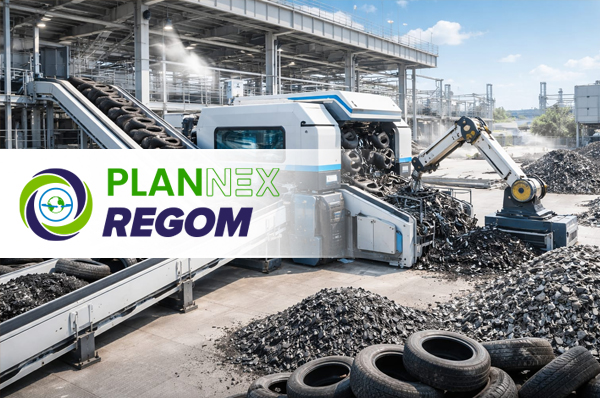
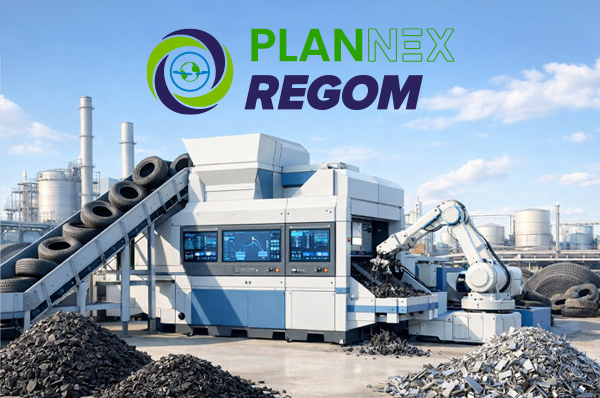
Under the partnership Plannex will deploy REGOM’s automated AI-based tyre sorting and identification systems, covering both light vehicles (LV) and truck and bus tyres (TT), the company said in a statement.
Prittle Prattle News
Closed loop tyre recycling model takes shape as Plannex Recycling partners REGOM to modernise India’s end of life tyre ecosystem
Yashraj Bhardwaj, Co Founder and CSO, Plannex Recycling, and Arthur Wagner, Director, REGOM, outline AI driven sorting, X ray detection, and traceable data systems aligned with EPR compliance and Digital Product Passport requirements
Plannex Recycling has partnered with France based tyre solutions company REGOM to build a closed loop tyre recycling model in India focused on traceability, automation, and compliance readiness. The collaboration aims to establish a structured “From Tyre to Tyre” ecosystem that keeps end of life tyres in productive use for longer.
The partnership comes at a time when India’s tyre recycling industry faces labour shortages and operational inefficiencies linked to manual sorting. Inconsistent classification limits output quality, while hidden contaminants such as batteries, TPMS sensors, and metal rim fragments damage shredders, cause unplanned shutdowns, and create fire risks. The absence of structured digital traceability also exposes recyclers to Extended Producer Responsibility compliance risks, including unverifiable credit claims.
Quick Biz News
Plannex Recycling joins hands with French tyre solutions giant REGOM to build a closed-loop tyre recycling ecosystem in India
March 03: Plannex Recycling, India’s pioneering recycling and waste management companies, has partnered with REGOM, a France-based company that develops AI-powered machines and software to extend tyre life and improve tyre identification. Together, the two companies are working towards a shared vision: building a “From Tyre to Tyre” closed–loop recycling model in India, which will keep end-of-life tyres in productive use for as long as possible.
The partnership comes at a time when India’s tyre recycling sector is under immense pressure, with labour shortages making manual sorting harder to sustain. Additionally, manual sorting is inherently inconsistent and limits the quality of output streams. Hidden contaminants such as batteries, TPMS sensors, metal rim fragments, and other embedded components damage shredders, causing unplanned shutdowns and creating fire hazards on the plant floor. The lack of digital traceability also leaves recyclers exposed to EPR compliance risks, including concerns about inaccurate or unverifiable credit claims.
Business News This Week
Plannex Recycling joins hands with French tyre solutions giant REGOM to build a closed-loop tyre recycling ecosystem in India
March 03: Plannex Recycling, India’s pioneering recycling and waste management companies, has partnered with REGOM, a France-based company that develops AI-powered machines and software to extend tyre life and improve tyre identification. Together, the two companies are working towards a shared vision: building a “From Tyre to Tyre” closed–loop recycling model in India, which will keep end-of-life tyres in productive use for as long as possible.
The partnership comes at a time when India’s tyre recycling sector is under immense pressure, with labour shortages making manual sorting harder to sustain. Additionally, manual sorting is inherently inconsistent and limits the quality of output streams. Hidden contaminants such as batteries, TPMS sensors, metal rim fragments, and other embedded components damage shredders, causing unplanned shutdowns and creating fire hazards on the plant floor. The lack of digital traceability also leaves recyclers exposed to EPR compliance risks, including concerns about inaccurate or unverifiable credit claims.
Smart Business News
Plannex Recycling joins hands with French tyre solutions giant REGOM to build a closed-loop tyre recycling ecosystem in India
March 03: Plannex Recycling, India’s pioneering recycling and waste management companies, has partnered with REGOM, a France-based company that develops AI-powered machines and software to extend tyre life and improve tyre identification. Together, the two companies are working towards a shared vision: building a “From Tyre to Tyre” closed–loop recycling model in India, which will keep end-of-life tyres in productive use for as long as possible.
The partnership comes at a time when India’s tyre recycling sector is under immense pressure, with labour shortages making manual sorting harder to sustain. Additionally, manual sorting is inherently inconsistent and limits the quality of output streams. Hidden contaminants such as batteries, TPMS sensors, metal rim fragments, and other embedded components damage shredders, causing unplanned shutdowns and creating fire hazards on the plant floor. The lack of digital traceability also leaves recyclers exposed to EPR compliance risks, including concerns about inaccurate or unverifiable credit claims.