
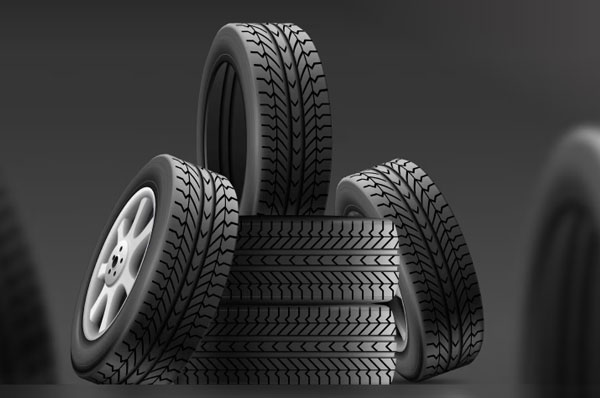
Plannex Recycling has teamed with Regom to deploy artificial intelligence-based tyre sorting and identification technologies in India, as the firms seek to establish a closed-loop “tyre-to-tyre” recycling model.
The collaboration comes at a time when India’s tyre recycling sector is suffering operational issues, such as labor shortages and inefficiencies in manual sorting. According to the companies, manual sorting frequently produces variable output quality and fails to discover embedded impurities that can harm recycling equipment.
AI-Powered Automation to Replace Manual Sorting
Plannex will use Regom’s automated, AI-powered sorting and identification technology for light-vehicle tyres as well as truck and bus tyres. The system uses AI vision technology to categorize tires based on their type, condition, and possible reuse applications.
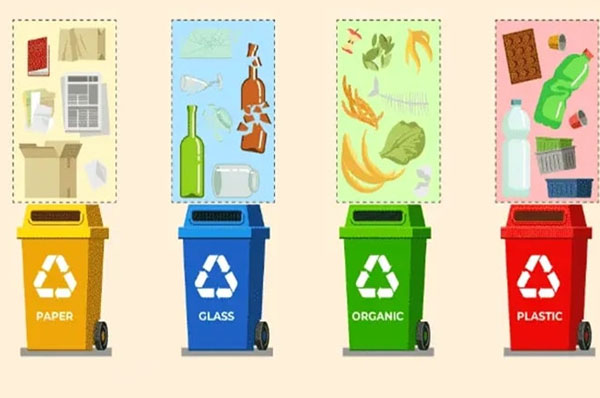
India has seen a steady buildup of policy around waste and recycling over the last few years. Rules have tightened. Compliance has expanded. Targets are clearer. The intent is visible across plastics, wastewater, organics, and municipal solid waste.
The strain shows up later in the chain.
Sorting facilities remain limited. Processing plants are unevenly distributed. Advanced recycling capacity is concentrated in a few pockets. When waste moves beyond collection, systems start to thin out. This is where delays begin and economics weaken.
As a result, many initiatives struggle to move beyond pilot scale. Private capital steps in only when feedstock, land access, and operating timelines are clearly defined. That clarity rarely exists without structured collaboration between public authorities and private operators.
This is why public private partnerships matter. Not in principle. In execution.

As India’s entrepreneurial ecosystem comes of age, women founders are reshaping what success truly means. Growth today is no longer measured by scale alone, but by purpose, resilience, and long-term impact. Across sectors from sustainability to spiritual technology, women entrepreneurs are building businesses that balance innovation with empathy, and ambition with responsibility.
For Ishita Bansal, Co-Founder and COO, Plannex Recycling, the foundations of entrepreneurship were laid early. Growing up in a business-oriented family meant she was exposed to conversations around markets, opportunity, and leadership from a young age. “Those early discussions shaped my entrepreneurial outlook,” she shares, adding that her father’s leadership journey played a significant role in inspiring her path.
Startup Talky
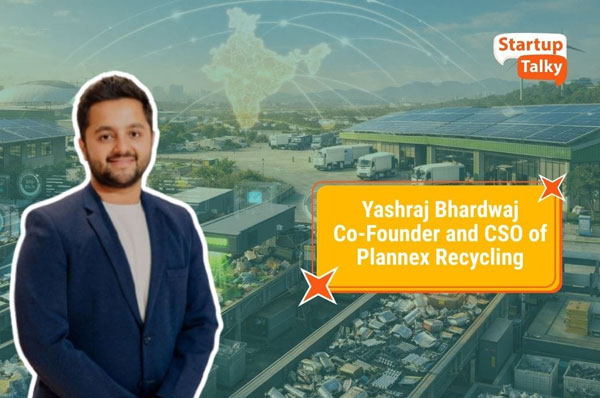
Yashraj Bhardwaj of Plannex Recycling on Building a Tech-First Circular Economy, EPR-Led Compliance, and Scalable Waste Management in India
In this edition of Recap’25, StartupTalky speaks with Yashraj Bhardwaj, Co-Founder and CSO of Plannex Recycling, who reflects on India’s rapidly evolving waste management ecosystem and the urgent need to move beyond fragmented, manual recycling systems toward scalable, technology-led circular solutions. Drawing from his experience building Plannex, Bhardwaj highlights how inefficiencies in reverse logistics and lack of transparency have historically limited India’s recycling potential—and why operational excellence is just as critical as sustainability intent.
He goes on to discuss how Plannex Recycling is addressing these challenges through its proprietary waste ERP platform, AI-powered sorting, and GPS-tracked collection systems, enabling precision, compliance, and measurable impact across multiple waste streams. The conversation also explores the growing role of EPR mandates, the shift toward integrated waste management models, and Plannex’s roadmap for expanding its collection network, recycling capacity, and global footprint—while staying anchored to its vision of a zero-waste, circular economy.
Sustainability karma
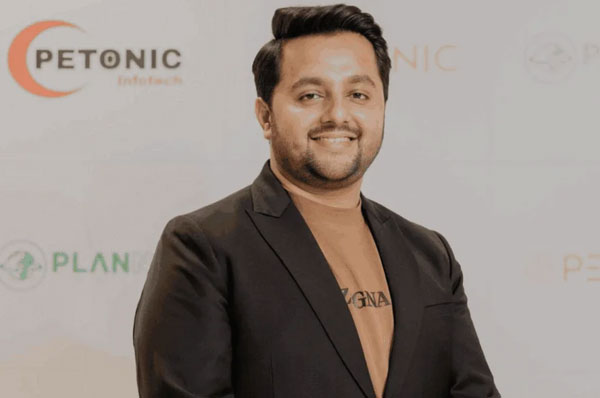
Why rethinking waste is central to India’s green agenda 2026: Yuvraj Bhardwaj of Plannex Recycling
The world is in the midst of an environmental crisis, and India is experiencing its sharpest edges alongside rapid economic growth. Rising consumption, urbanisation and industrial expansion have intensified pressure on natural resources and public health alike. Recent figures show that India’s share of global greenhouse gas emissions has reached 7.8 per cent, while e-waste has surged by 147 per cent in just seven years. These trends underscore a sobering reality: waste management has moved from being a municipal concern to a national sustainability challenge that can no longer be postponed.
As 2026 approaches, incremental fixes will not be enough. India needs a Green Agenda that compels cities and businesses to adopt forward-looking strategies built on technology, collaboration and circular economy principles. Waste can no longer be viewed as a problem to be concealed at landfills. It must be recognised as a resource that requires intelligent management. The transition begins with changing how waste is measured, handled and valued.
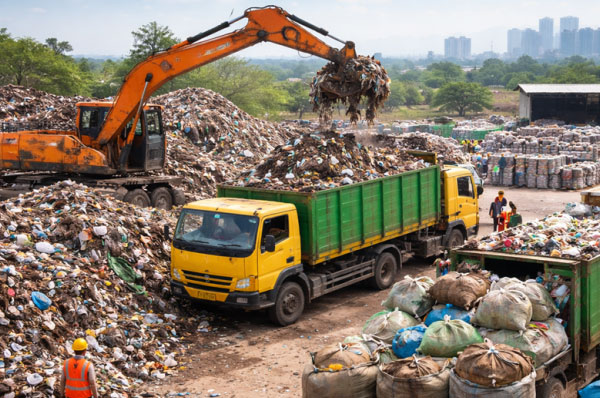
The fourth-largest economy in the world. Home to the world’s third-largest startup ecosystem. However, beneath the shadow of rapid development, there is a silent crisis: waste management, or a lack thereof. Mountains of waste in landfills, choking rivers and lakes, and polluting the air we breathe, creating health hazards.
According to the Central Pollution Control Board’s (CPCB) report, the nation generates a staggering 160,038 tonnes of solid waste daily. Yet, only about 50% of it receives proper treatment, with the rest dumped haphazardly, fueling environmental havoc and public health nightmares. Now, with the climate crisis escalating at an unprecedented rate, it’s imperative to ensure waste management is efficient and effective. Enter reverse logistics, the unsung hero and the missing piece of the puzzle.
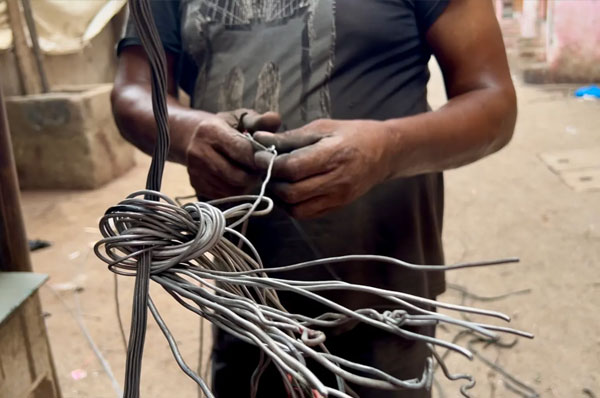
NEW DELHI – In a dim room off a crowded alley in northeast Delhi, Shahjahan sits on the floor peeling wires with a knife. Her two children sort copper beside her, taking care to avoid tripping on scrap when they move across the room.
She earns a few hundred rupees, or about $2, a day by breaking down discarded electronics brought in by small scrap dealers.
But the supply of e-waste is thinning, and Shahjahan’s income is dwindling as more scrap moves to licensed plants on the edge of the capital.
“If the work goes, what will we do?” said Shahjahan, 32, who only gave her first name.
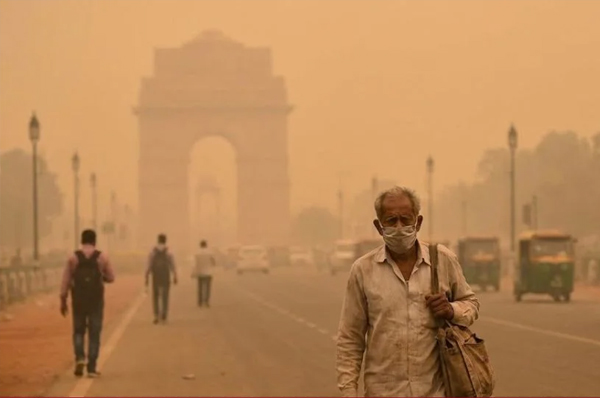
As Delhi continues to choke, the negligible contribution of stubble burning to its toxic air this week makes one thing clear: the city must urgently tackle its open fires. According to scientific studies, such fires — from burning of garbage and biomass to cooking and heating — are the single-largest source of particulate pollution in the city, contributing to over half of PM2.5 and PM10 in its air.
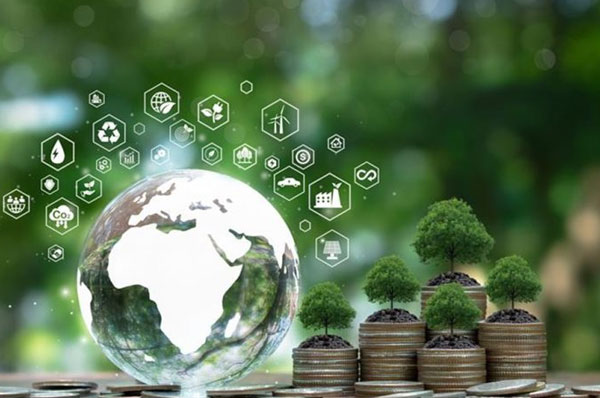
As the global climate crisis intensifies, humanity stands at a critical inflection point. Extreme weather events are becoming increasingly common, challenging food security, displacing entire populations, and threatening the future of our civilisation. Confronting these realities, global policymakers, scientists, non-governmental organisations, and civil society thought leaders will converge this year at the 30th United Nations Climate Change Conference of the Parties (UN COP30).
Set to be held in Belém, Brazil, from November 6 to 21, 2025, the event is expected to chart a pathway for genuine progress. Nestled at the gateway to the Amazon, Belém stands as both a symbolic and strategic host city: a reminder that the world’s largest rainforest, a vital carbon sink, is also among the most threatened ecosystems on Earth.