By Yashraj Bhardwaj, Co-Founder & CSO, Plannex Recycling

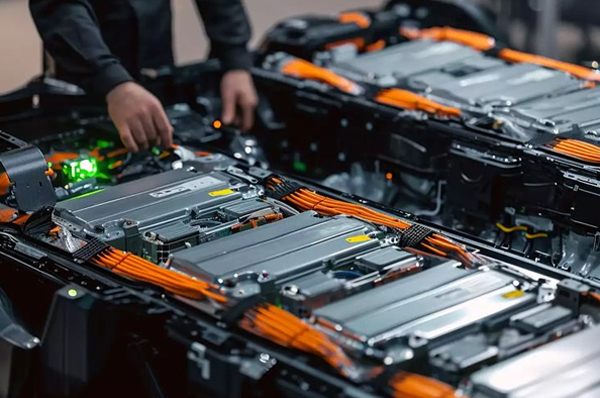
India’s EV market is racing ahead — nearly 2 million EVs were sold in 2024, with sales projected to push the industry to USD 113.99 billion by 2029. But as the country speeds into an electric future, one critical question looms large: what happens to the millions of EV batteries once their drive ends?

Here are six ways India can transform EV battery waste into a circular economy opportunity:
By Yashraj Bhardwaj, Co-Founder & CSO, Plannex Recycling

India’s EV market is racing ahead — nearly 2 million EVs were sold in 2024, with sales projected to push the industry to USD 113.99 billion by 2029. But as the country speeds into an electric future, one critical question looms large: what happens to the millions of EV batteries once their drive ends?

Here are six ways India can transform EV battery waste into a circular economy opportunity:
India’s EV market is racing ahead — nearly 2 million EVs were sold in 2024, with sales projected to push the industry to USD 113.99 billion by 2029. But as the country speeds into an electric future, one critical question looms large: what happens to the millions of EV batteries once their drive ends?

Here are six ways India can transform EV battery waste into a circular economy opportunity:
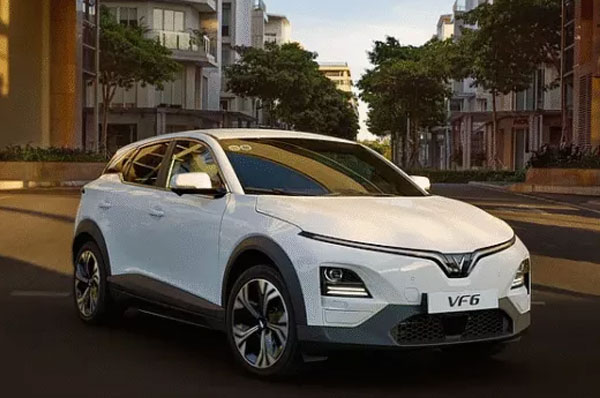
India’s EV market has picked up remarkable momentum, with nearly two million electric vehicles hitting the roads and a 20% increase in sales in 2024 alone. A shift in consumer preferences has fuelled this growth, along with stronger government incentives, expanded charging infrastructure, and a greater acceptance of cleaner, greener mobility.

Choosing an EV now comes with numerous advantages, ranging from tax breaks and lower operating costs to lower emissions and maintenance. With the Indian EV market expected to reach USD 113.99 billion by 2029, the country is rapidly emerging as a global leader in the electric vehicle sector. However, as we accelerate our transition to electrification, one critical question arises: What happens to an EV battery after its life on the road?

Lateral Sparks, the weekly quiz from YourStory, tests your domain knowledge, business acumen, and lateral thinking skills (see the previous edition here). In this 195th edition of the quiz, we present issues tackled by real-life entrepreneurs in their startup journeys.

What would you do if you were in their shoes? At the end of the quiz, you will find out what the entrepreneurs and innovators themselves actually did. Would you do things differently?

New Delhi: July 3 is International Plastic Bag Free Day. However, across Delhi, single-use plastic (SUP) bags, including those prohibited since 2018, are being used by shopkeepers and customers. Disposable cutlery and drinking straws made of plastic have also resurfaced in the marketplace.

Despite restrictions imposed three years ago in July on single-use plastic, plastic items, particularly low-quality polythene bags below 50-micron thickness banned in 2018, continue to be extensively used without consequences. While several initiatives were undertaken to encourage the use of alternative materials, the ban continued to be ineffective.

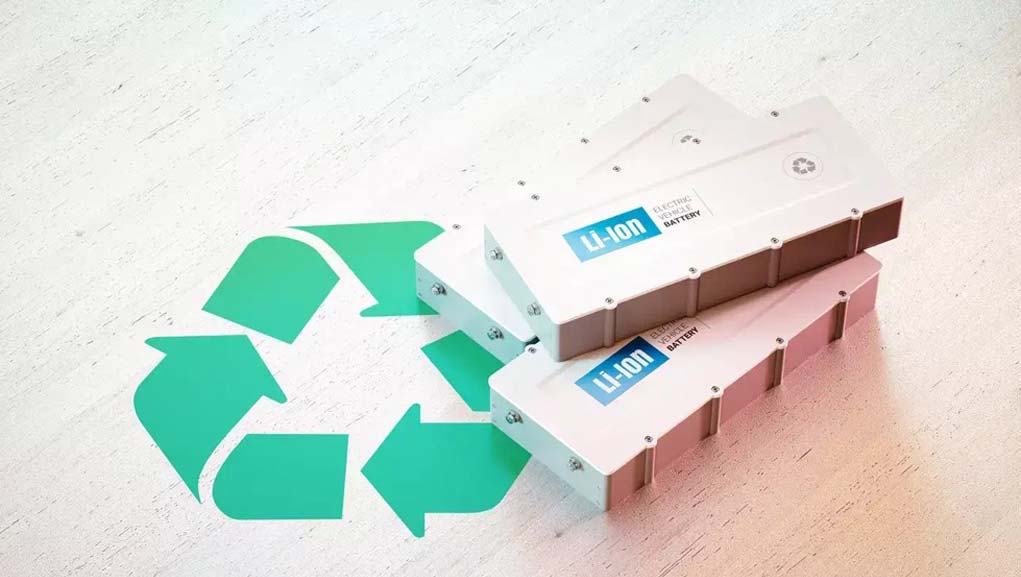
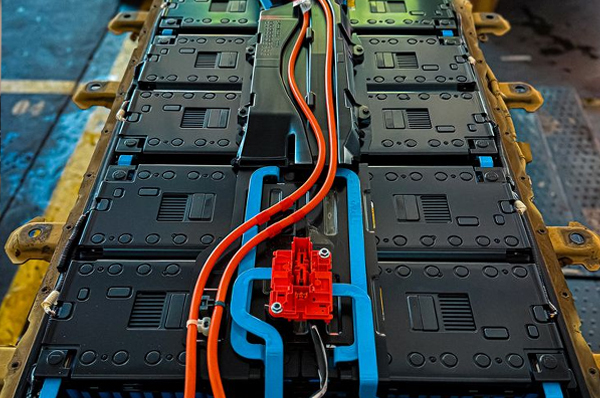
Building robust ecosystems for battery reuse, repurposing, and recycling can transform end-of-life batteries from an environmental liability into an economic asset.

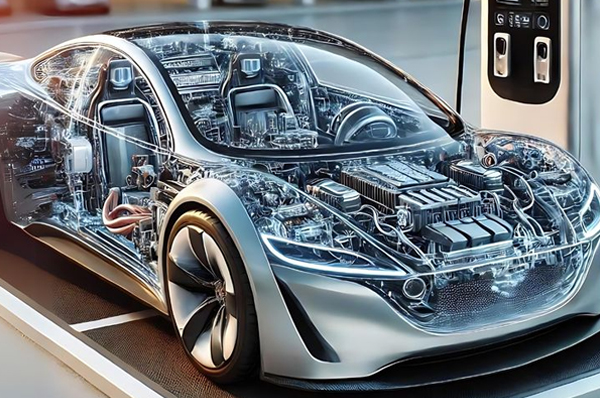
India’s Electric Vehicle (EV) market has entered the fast lane, with a 20 per cent increase in sales in the past year. Projected to reach $113.99 billion by 2029, India’s EV market is poised to lead the global EV revolution, with nearly 2 million EVs sold across the country in 2024.

India’s Electric Vehicle (EV) market has entered the fast lane, with a 20 per cent increase in sales in the past year. Projected to reach $113.99 billion by 2029, India’s EV market is poised to lead the global EV revolution, with nearly 2 million EVs sold across the country in 2024.

This surge can be attributed to multiple factors, including robust government support through incentives and subsidies, better EV infrastructure, and a growing market for cleaner, sustainable mobility solutions. Purchasing an EV offers numerous advantages, like lower running costs, relatively easier maintenance, potential tax benefits, and reduced emissions and pollution. However, have you ever wondered about the heart, i.e., the battery of an EV?

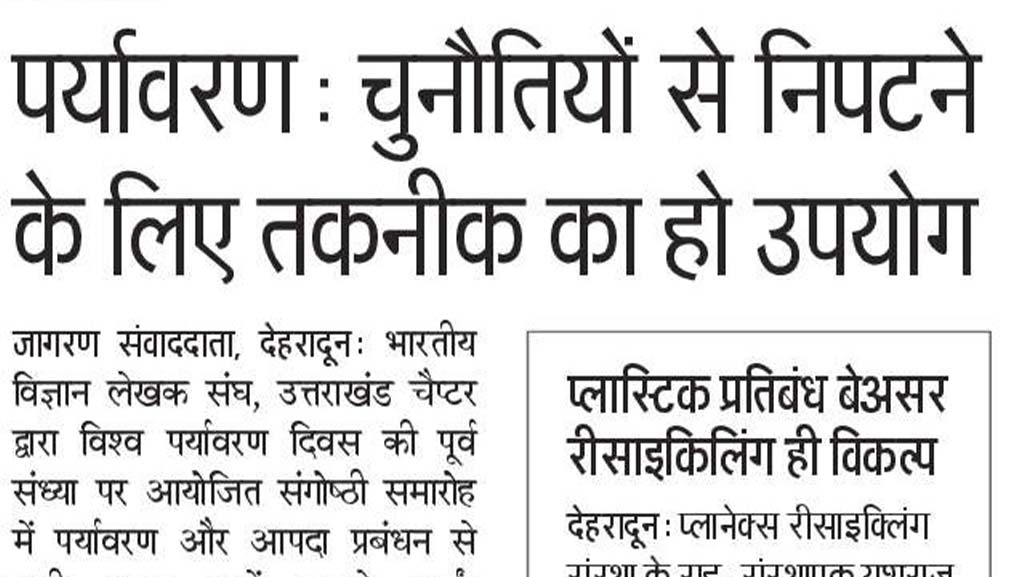
जागरण संवाददाता, देहरादूनः भारतीय विज्ञान लेखक संघ, उत्तराखंड चैप्टर द्वारा विश्व पर्यावरण दिवस की पूर्व संध्या पर आयोजित संगोष्ठी समारोह में पर्यावरण और आपदा प्रबंधन से जुड़ी अहम बातें सामने आईं। पर्यावरण की चुनौतियों से निपटने के लिए तकनीक का प्रभावी प्रयोग किया जाना भी जरूरी ठहराया गया। साथ ही सामूहिक भागीदारी और जागरूकता लाने पर जोर दिया। कहा कि प्लास्टिक उन्मूलन के लिए विभिन्न संस्थाएं सामने आ रही हैं।

संगोष्ठी में आपदा प्रबंधन के पूर्व निदेशक डा. पीयूष रौतेला ने कहा कि पर्यावरण की चुनौतियों से निपटने के लिए स्थानीय लोगों की भागीदारी और तकनीक का प्रभावी उपयोग अनिवार्य है। उन्होंने चेताया कि परंपरागत प्रणालियों से दूरी और अनियंत्रित विकास के कारण पहाड़ी क्षेत्रों में जमीन और जल पर अत्यधिक दबाव बढ़ गया है, जिससे मौसम में असामान्य बदलाव देखने को मिल रहे हैं।

भूवैज्ञानिक सर्वेक्षण विभाग कोलकाता के उप महानिदेशक डा. हरीश बहुगुणा ने बताया कि भारत में 90 हजार से अधिक सक्रिय भूस्खलन क्षेत्र हैं, जो 172 जिलों में फैले हुए हैं। उन्होंने कहा कि सरकार ।

की ओर से वर्ष 2030 तक एक आधुनिक पूर्व चेतावनी तंत्र विकसित किया जा रहा है, जो संभावित भूस्खलनों की 24 से 48 घंटे पहले सूचना देगा। गोष्ठी में प्रो. अजय कुमार बियानी, डा. रश्मिकांत शुक्ला, आर. सहगल, कैलाश कोठारी, डॉ. शीतल कनौजिया आदि उपस्थित रहे।

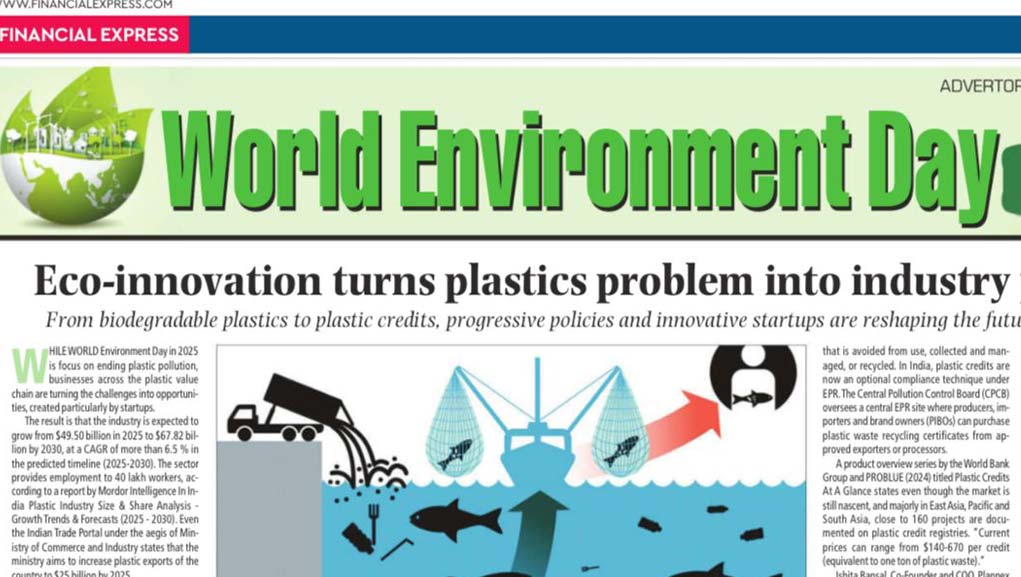
From biodegradable plastics to plastic credits, progressive policies and innovative startups are reshaping the future of the industry.

WHILE WORLD Environment Day in 2025 is focus on ending plastic pollution, businesses across the plastic value. chain are turning the challenges into opportunities, created particularly by startups.

The result is that the industry is expected to grow from $49.50 billion in 2025 to 567.82 billion by 2030, at a CAGR of more than 6.5% in the predicted timeline (2025-2030). The sector provides employment to 40 lakh workers, ac cording to a report by Mordor Intelligence in India Plastic Industry Size & Share Analysis-Growth Trends & Forecasts (2025-2030).

Even the Indian Trade Portal under the aegis of Ministry of Commerce and Industry states that the ministry aims to increase plastic exports of the country to $25 billion by 2025. The industry is positioned to flourish in the years to come not only owing to enhanced demand for plastic products in packaging, automotive and construction and consumer goods, but also due to technology advancements and focus on sustainability through innovation of environmentally friendly plastics.

A startup based in Imperial College London, incubated in 2015 launched a technology related to self-degrading plastic cup at Conference of Parties 26 (COP 26) by Prince Charles, who is now the king, with operations in india, Polymateria has come up with the concept of biodegradable plastic that returns to the nature within two years and does not cause the problem of microplastics.

This has led to opening of business opportunities for startups and companies in the sphere of plastic waste management. The Extended Producer Responsibility (EPR) policy makes it mandatory for manufacturers to be accountable for control of post-consumer waste with a life cycle approach, which opens the opportunity for collection facilities, recycling facilities, and eco friendly waste disposal techniques.